Sustainable community development requires more than just good intentions; it demands practical skills, actionable business models, and strategic partnerships. Recently, we celebrated a major milestone in our ongoing efforts to build local capacity and drive environmental stewardship along the river stretch.
Over 80 young leaders successfully graduated from our intensive entrepreneurial and food security capacity-building program, an initiative made possible through our collaborative partnership with the University of Fraser Valley in Canada.
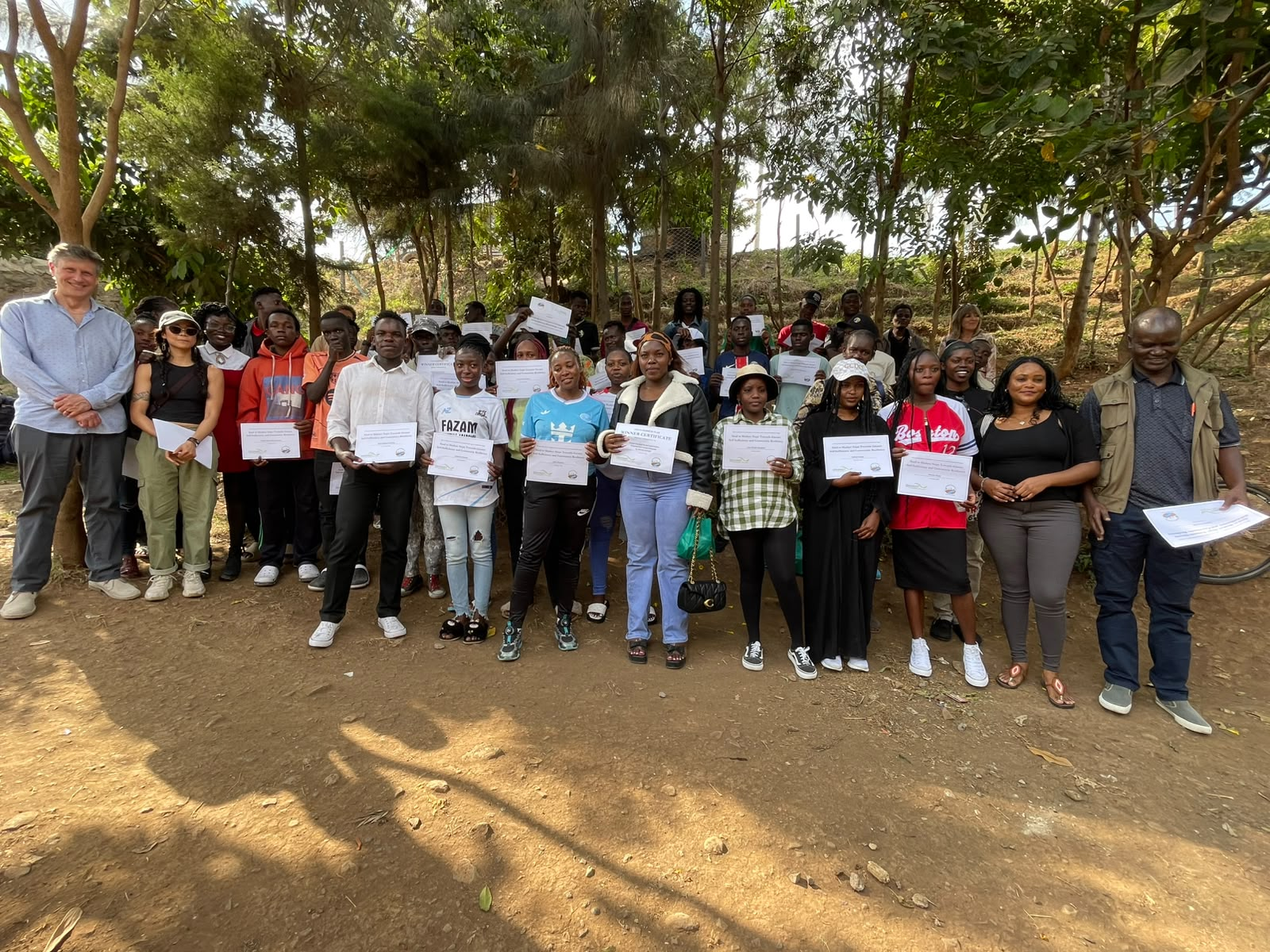
The core objective of this program was to equip local youth with the tools necessary to tackle interconnected challenges: economic disenfranchisement, localized food insecurity, and environmental degradation.
Throughout the course, participants focused on developing commercially viable business models that integrate zero-waste practices and promote food security. By tailoring the curriculum to the realities of our local economy, the training ensured that graduates are prepared to build enterprises that are both profitable and socially responsible.
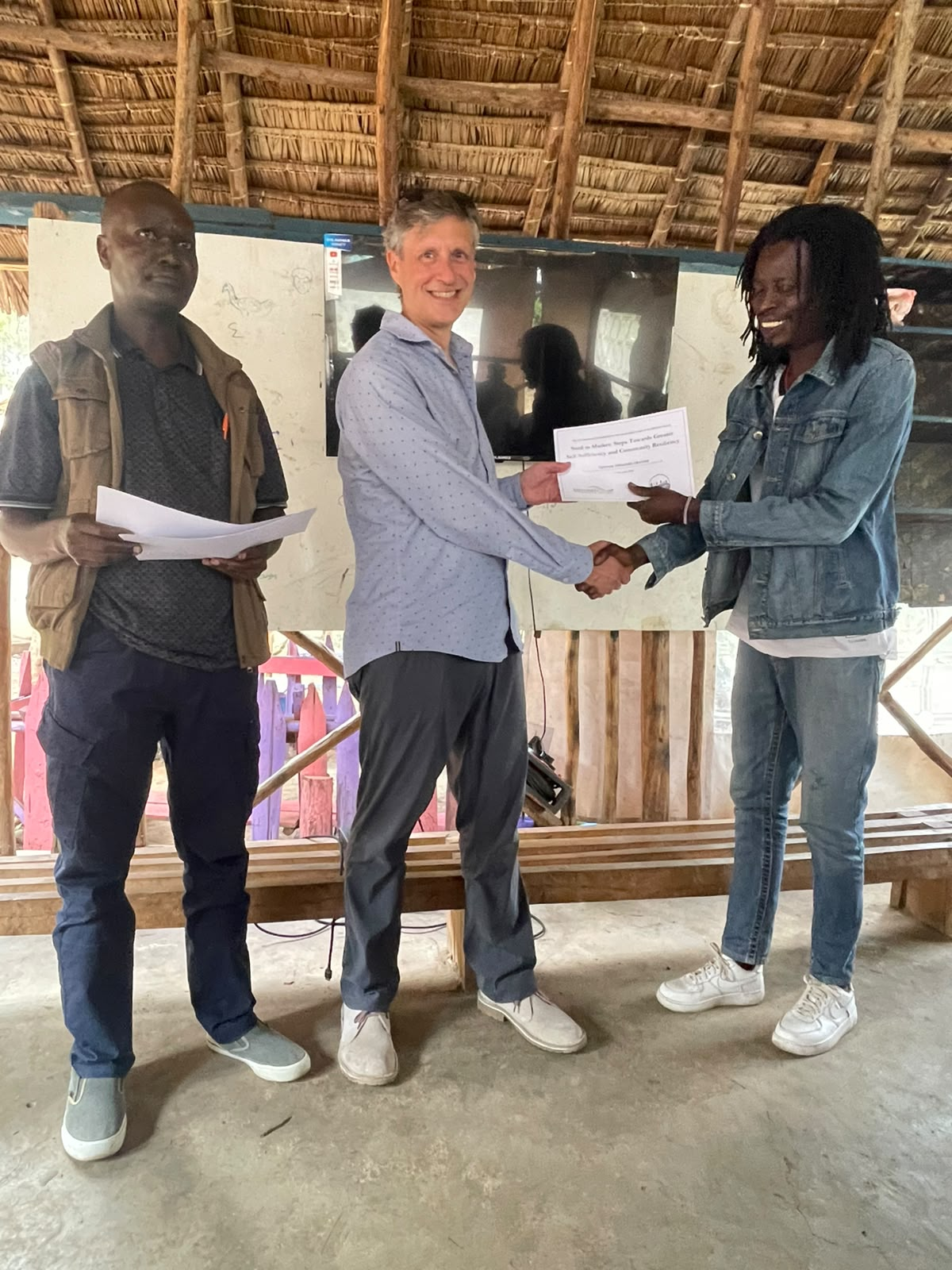
Theoretical training is only the first step. To catalyze real economic impact, the program culminated in a rigorous business idea competition where graduates pitched their enterprise blueprints.
We are proud to announce that three exceptional proposals were selected and awarded direct seed capital.
Securing early-stage funding is a critical hurdle for any new business. With this financial backing, these three enterprises are now transitioning from concept to reality. They will serve as frontline operations, directly addressing food security gaps and operationalizing zero-waste management within the community while generating sustainable local employment.
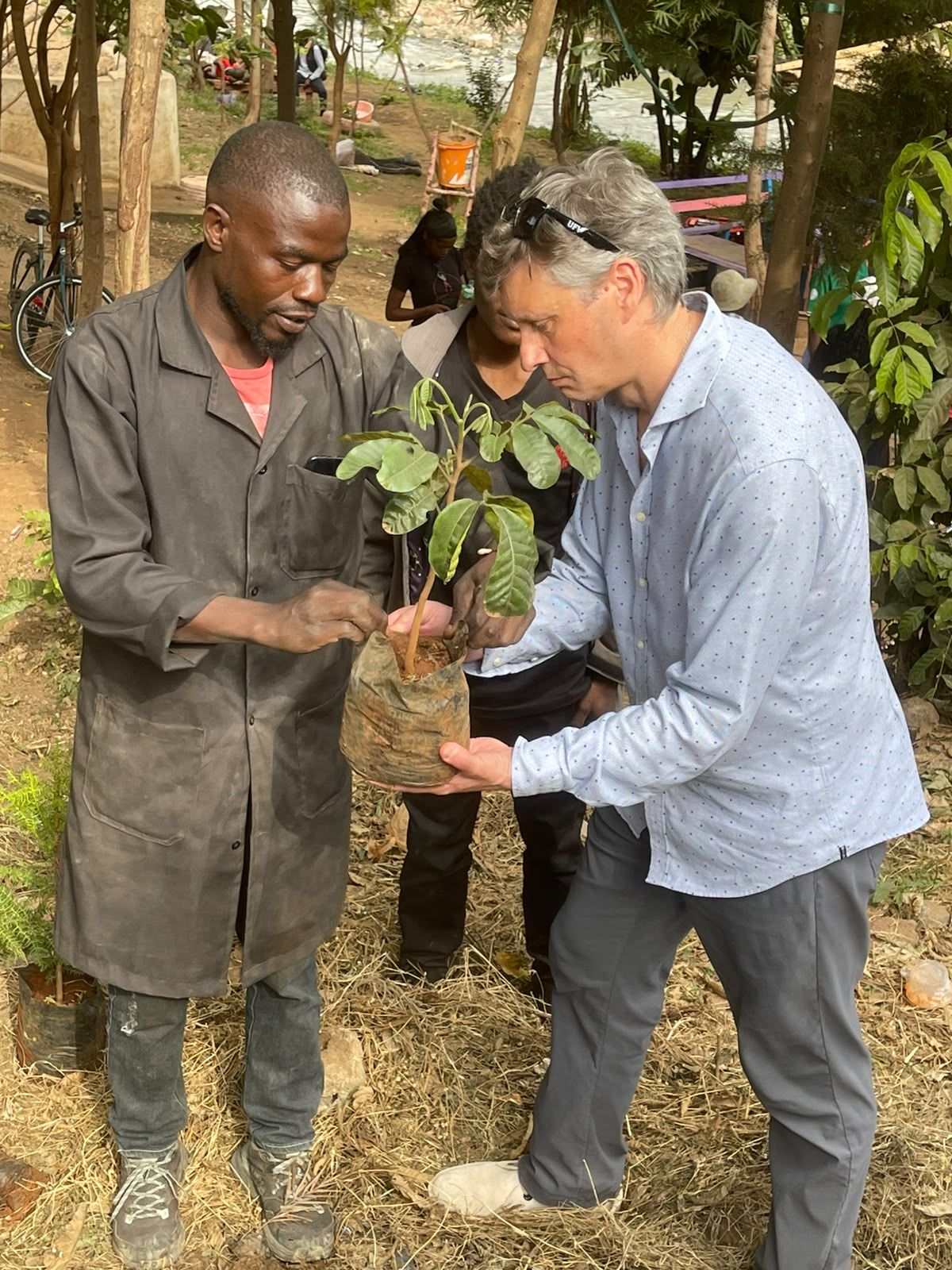
To commemorate the graduation and reinforce the program’s environmental objectives, the event concluded with a community-led tree-planting exercise at the Mathare Community Park.
This was a highly practical component of the day. Environmental stewardship is a core pillar of our work, and regenerating the river ecosystem requires hands-on action. The newly planted trees stand as a physical commitment by the graduates to ensure their future business endeavors remain rooted in ecological conservation.
Looking Forward
We extend our sincere gratitude to the University of Fraser Valley for their invaluable expertise and partnership in making this program a success.
To the 80 graduates and the three newly funded enterprises: congratulations. You are proving that the local economy can be a powerful engine for sustainable development. We look forward to monitoring the growth of these businesses and the broader impact this cohort will undoubtedly have on our community's future.
(Tags: #SDG4QualityEducation #SDG13 #SDG8DecentWorkAndEconomicGrowth #SDG17 #YouthEmpowerment #FoodSecurity)