The Kenya Meteorological Department’s latest climate outlook highlighted an increasing likelihood of El Niño conditions developing in the coming short rain seasons (October-November-December), with potential implications for rainfall patterns, flooding, livelihoods and community preparedness across Kenya. This forecast underscored the importance of strengthening civic awareness and ensuring communities have timely, reliable information to understand climate risks, prepare for possible impacts and participate meaningfully in local responses. Against this backdrop, the civic education programme provided an important platform for communities to discuss emerging environmental and social concerns, share local experiences and identify practical actions that can strengthen resilience, held in collaboration with the Mathare River Water Resources Users Association (WRUA).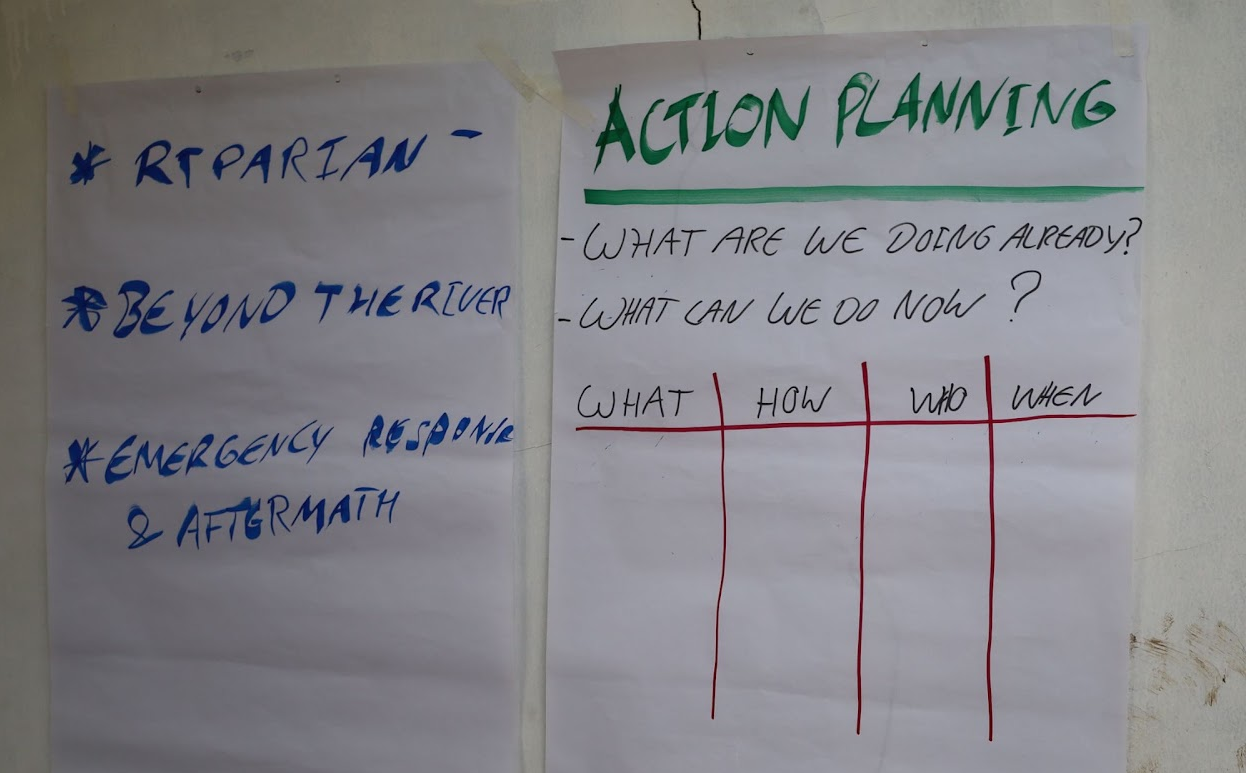
In Mathare, preparing for floods is not only about responding when the water arrives. It is about knowing where the risks are, understanding what happens during heavy rains and making decisions early enough to protect people, homes, livelihoods and the environment. That question shaped a three hour dialogue held on 24 September 2026 at the Youth Prinua Social Innovation Hall in Baba Dogo, Ruaraka, Nairobi, where community members and stakeholders came together to discuss flood preparedness and agree on practical actions.
Participants shared experiences from previous floods and examined the conditions that continue to increase vulnerability within communities around the Mathare River. The discussion brought together local knowledge and institutional perspectives, allowing participants to look closely at what happens before, during and after flooding. Rather than discussing flooding only as a natural event, the conversation considered the wider conditions that can turn heavy rainfall into a serious community emergency.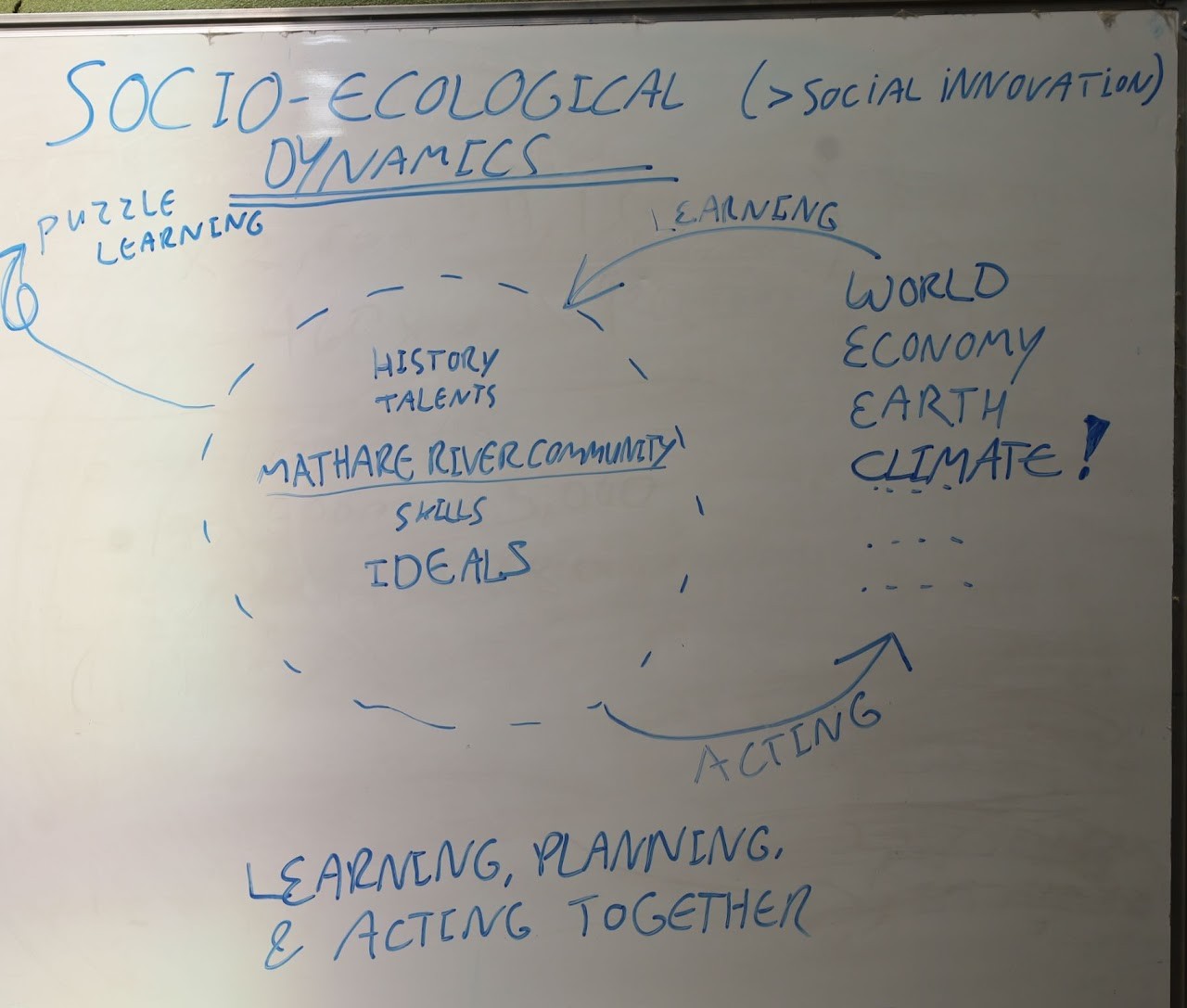
Experiences from the 2024 floods featured strongly in the discussion. Participants described displacement, damage to homes and property, blocked drainage, sanitation challenges, contaminated water, erosion and disruption of livelihoods and essential services. They also discussed risks that become more serious during flooding, including disease, unsafe movement, power interruptions, communication difficulties and challenges in reaching affected households. The discussion connected these impacts with drainage conditions, waste disposal, settlement patterns, environmental degradation and the level of preparedness within households and the wider community.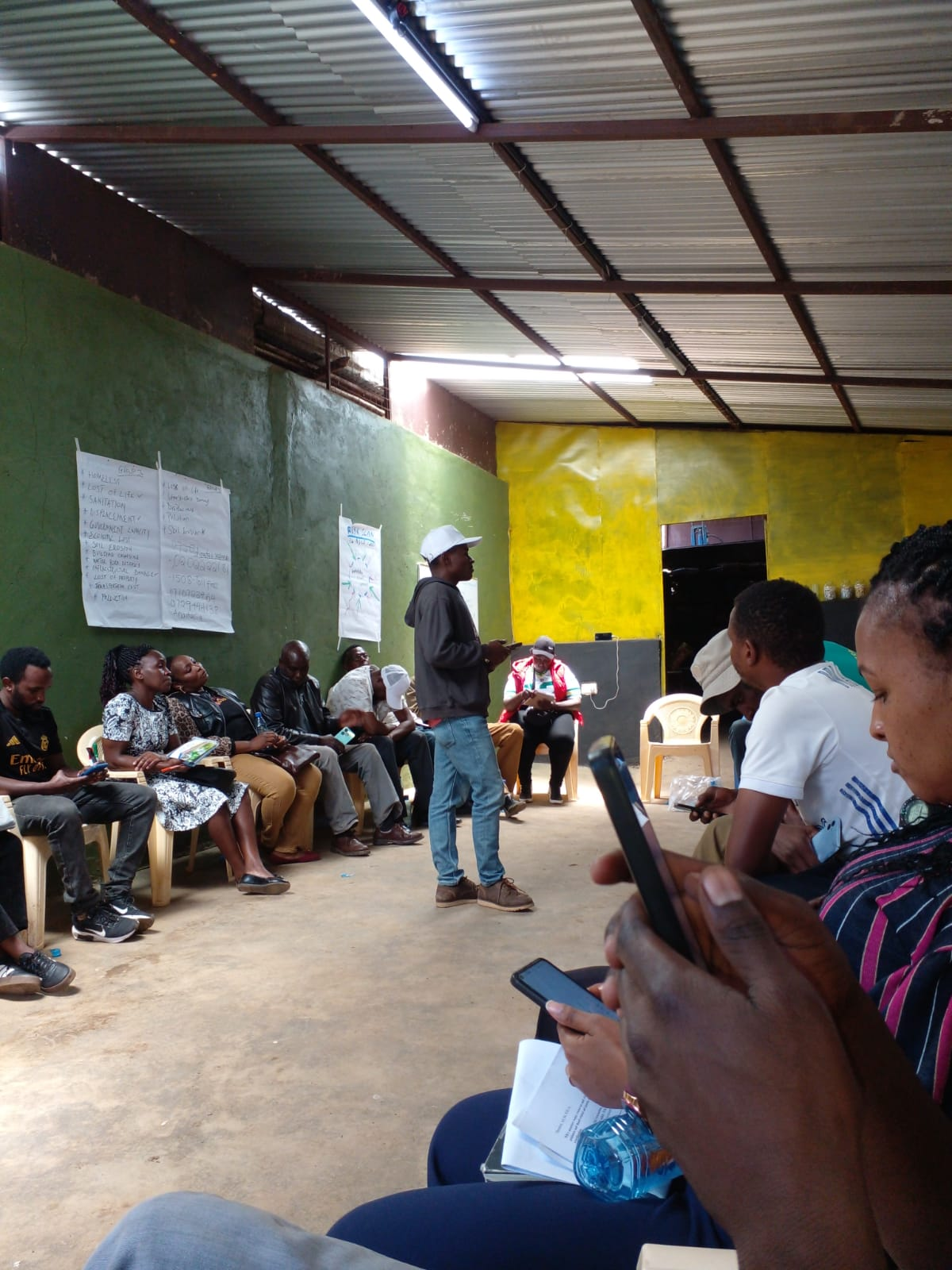
The conversation then moved from identifying risks to defining practical actions. Participants called for known blocked drainage points and waterways to be identified and cleared, particularly at locations that repeatedly contribute to flooding. Known flood hotspots should be mapped and monitored so that communities and responsible agencies have a shared picture of where intervention is most urgent. Vulnerable sections of river banks also need to be identified for protection, while dangerous trenches, open manholes and other physical hazards should be recorded and addressed before heavy rains create additional risks.
Early warning was identified as another priority. Flood alerts and weather information need to reach communities in time and through channels that people actually use. Community leaders, local groups and other trusted structures can support the sharing of warnings, while arrangements should be made for information to reach households that may otherwise be missed. The same communication system can be used to alert residents when evacuation is necessary and to provide information on safe routes and designated places of refuge.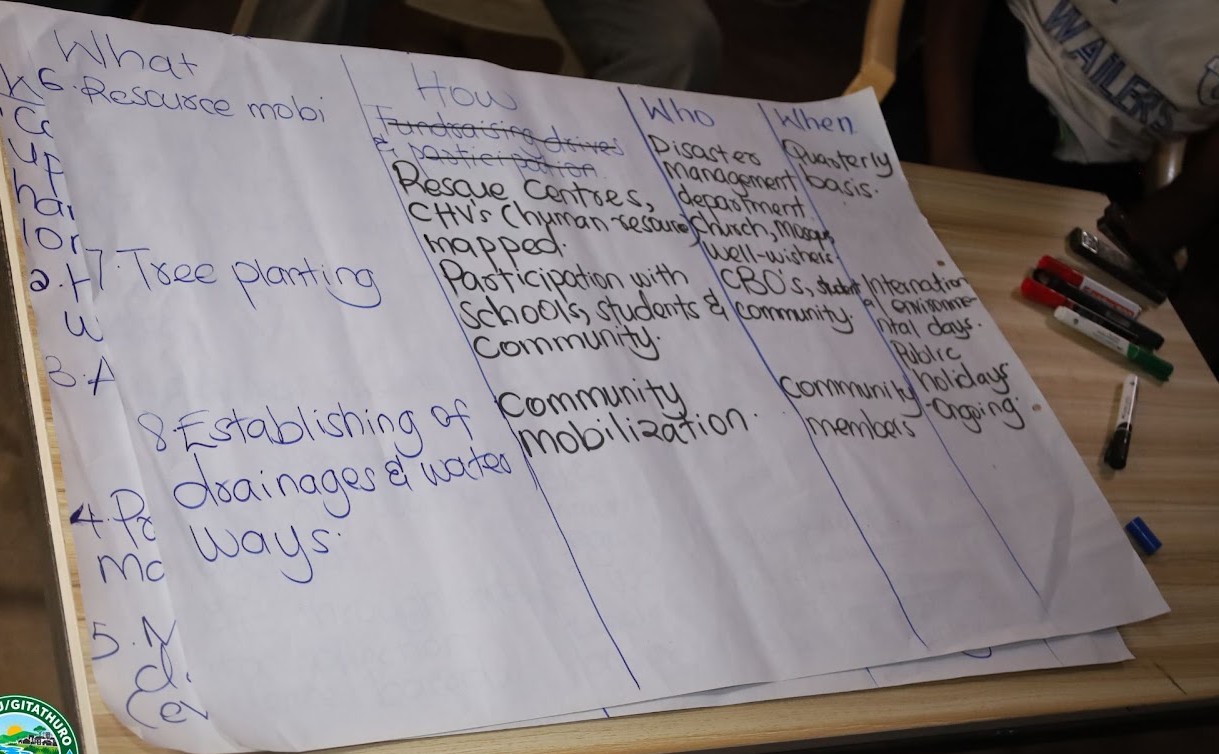
Evacuation preparedness also needs to become more practical. Potential evacuation centres should be identified and their accessibility assessed before an emergency. Communities need to know where they are, how to reach them and what arrangements exist for people who may require additional support. Preparedness should also cover basic household needs, including access to safe water and essential supplies during periods when normal services are disrupted.
The meeting further identified waste management and environmental action as part of flood risk reduction. Community cleanups should focus on areas where waste blocks drainage or enters the river and waterways. Tree planting and protection of vulnerable river and drainage corridors can complement these efforts. These activities should be linked to identified problem areas rather than treated as stand alone activities.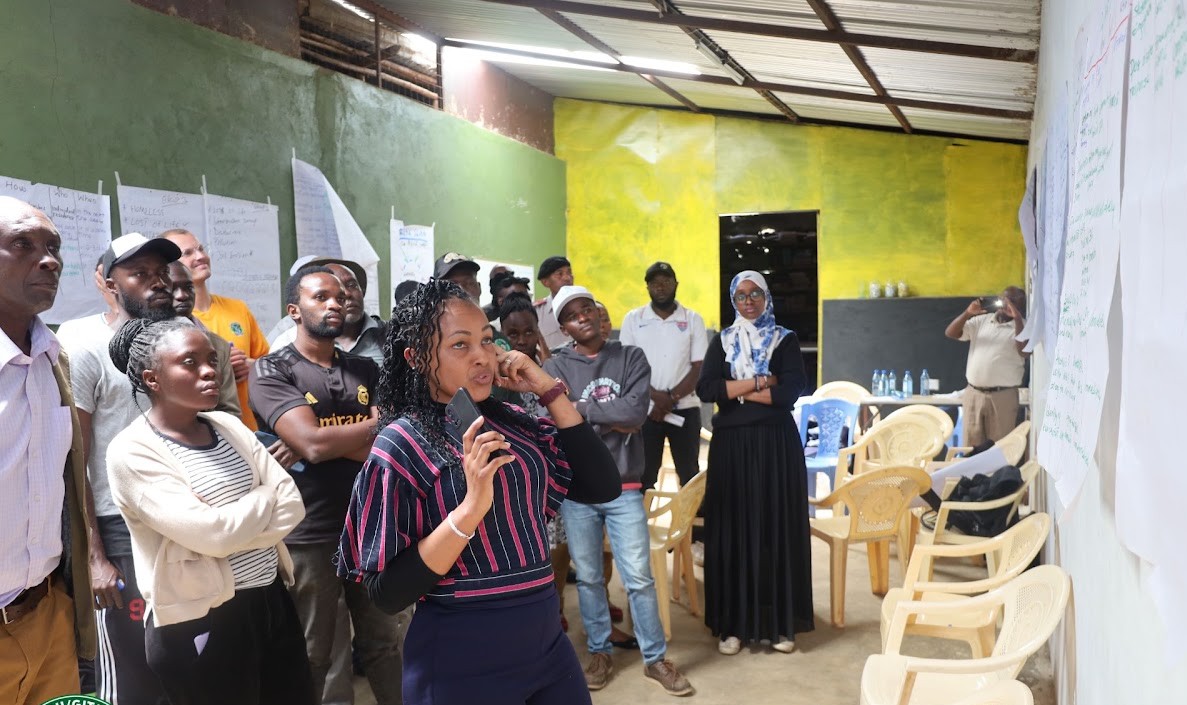
Coordination will be critical. The actions discussed require government agencies, community groups, civil society organizations, schools, faith institutions, private actors and other stakeholders to work from a shared local plan. The immediate practical step is therefore to convert the identified priorities into an action register showing the specific location, action required, responsible actor, supporting stakeholders and progress status. This should begin with the most exposed drainage points, flood hotspots, vulnerable river sections, evacuation locations and communication arrangements identified during the dialogue.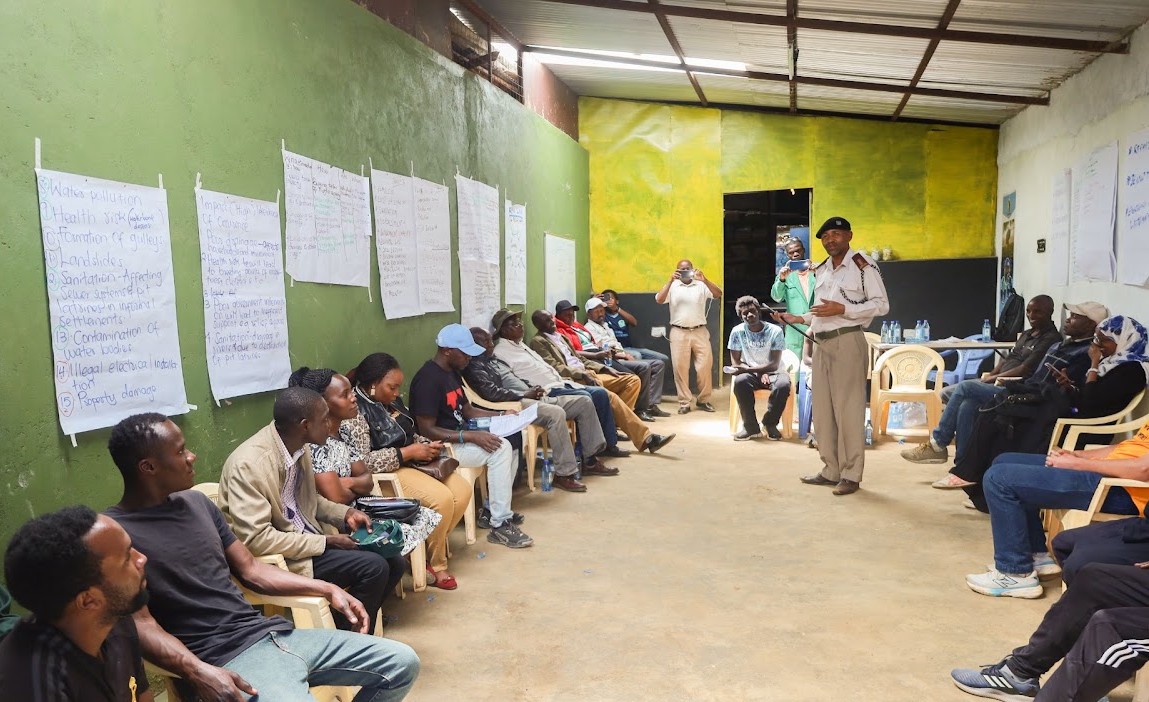
The value of the meeting was therefore in moving the discussion from general concern to identifiable tasks. The next stage is to verify the priority locations, assign responsibilities, mobilise the required support and track progress. This will provide the community and stakeholders with a practical basis for knowing what needs to be done, where it needs to be done and whether the agreed preparedness measures are being implemented before the next flood.